
.jpg)
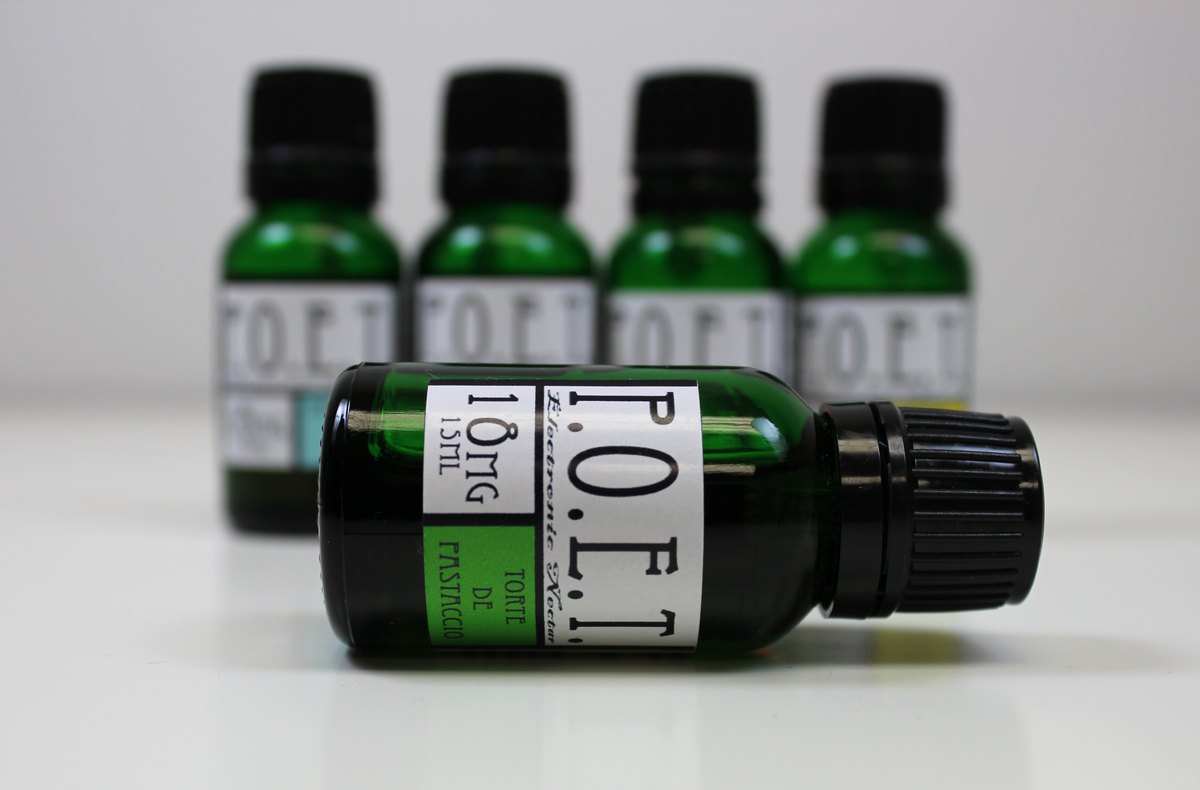
Two commercially finished e-liquids can be mixed, but you are changing more than flavor. The resulting bottle also combines their nicotine concentrations, PG/VG ratios, sweeteners, and other ingredients.
Do not mix unknown liquids or use raw nicotine concentrates. This guide covers only small flavor experiments with clearly labeled finished products.
Check both labels first
Confirm the nicotine type and strength, VG/PG ratio, expiration information, and manufacturer. Avoid mixing if either liquid looks contaminated, has separated permanently, or has an unknown history.
If the strengths differ, the result falls between them according to the amounts used. Do not guess when accurate nicotine concentration matters.
Test in the tank, not the bottle
Mix a very small amount in a clean, empty tank or a separate labeled container. A promising smell does not guarantee the heated mixture will work. Starting small prevents an unpleasant combination from ruining two full bottles.
Use simple proportions that you can repeat, such as three parts of one flavor to one part of another. Write the ratio down.
Label the test container immediately, including its combined strength.
Watch the final thickness
A high-VG liquid mixed with a 50/50 liquid creates an intermediate ratio. Make sure the result still suits your pod or coil. New gurgling or dry hits may come from that change rather than the flavor combination.
Expect old flavor to linger
The wick holds the previous liquid, so the first puffs will not represent the final mix. Strong mint, cooling, cinnamon, coffee, and tobacco profiles can dominate a coil for a long time.
Do not turn casual mixing into DIY chemistry
Creating e-liquid from concentrated nicotine and raw flavor ingredients requires accurate formulation, suitable protective practices, and ingredient knowledge. Pouring finished liquids together is not the same task.
For ratio basics, read PG vs. VG.