
.jpg)
The best place for vape juice is a cool, dark, stable cabinet where bottles remain upright and tightly sealed. Avoid cars, windowsills, heaters, and any location accessible to children or pets.
Control light and heat
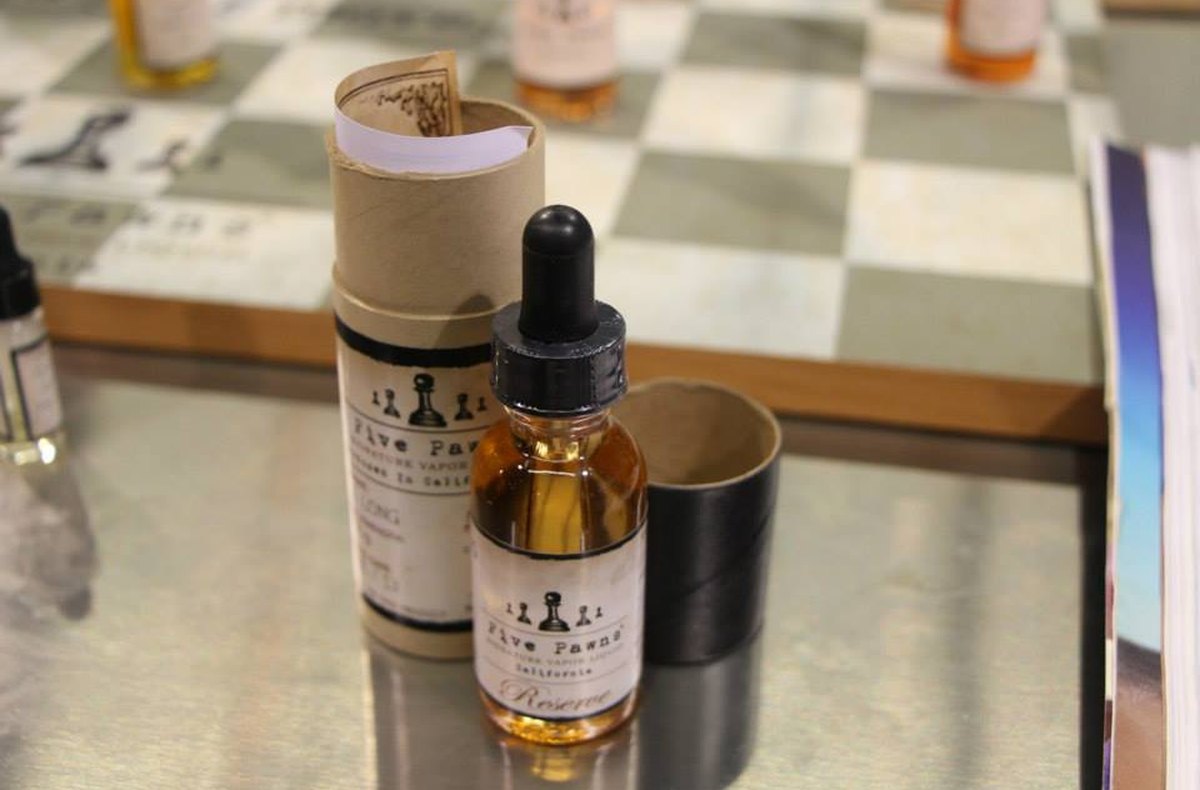
Light and elevated temperature speed changes in nicotine and flavor ingredients. Keep bottles in their original packaging when practical, especially if the container is clear.
Room-temperature storage in a shaded interior cabinet is simpler and more consistent than moving bottles through repeated hot and cold cycles.
Keep air out
Close the cap immediately after filling. Wipe the nozzle before replacing the cap so dried liquid does not prevent a tight seal. Do not leave bottles open to breathe; deliberate air exposure speeds oxidation.
Store bottles upright
Upright storage reduces contact with the cap and lowers the chance of leakage. Check child-resistant caps for damage rather than transferring liquid into an unlabeled household container.
Label what matters
Record the opening date if the bottle does not already show it. Keep the original product name, nicotine strength, VG/PG ratio, lot code, and manufacturer information attached to the liquid.
Never combine leftovers from unknown bottles. A mystery mixture is not worth saving a few milliliters.
Keep the original receipt or order record when practical. It can help identify the product and batch if a bottle arrives damaged or is later recalled.
Prevent accidental exposure
Nicotine liquid can be dangerous if swallowed or absorbed in sufficient quantity. Keep bottles locked away from children and pets. Clean spills promptly while following the product label, and contact Poison Control at 1-800-222-1222 in the United States if exposure is suspected.
Rotate instead of hoarding
Use the oldest opened bottle first and buy sizes that match your normal pace. Before filling, check the labeled date, cap, seal, appearance, and smell.
If a bottle has already changed, use the vape juice freshness checklist.