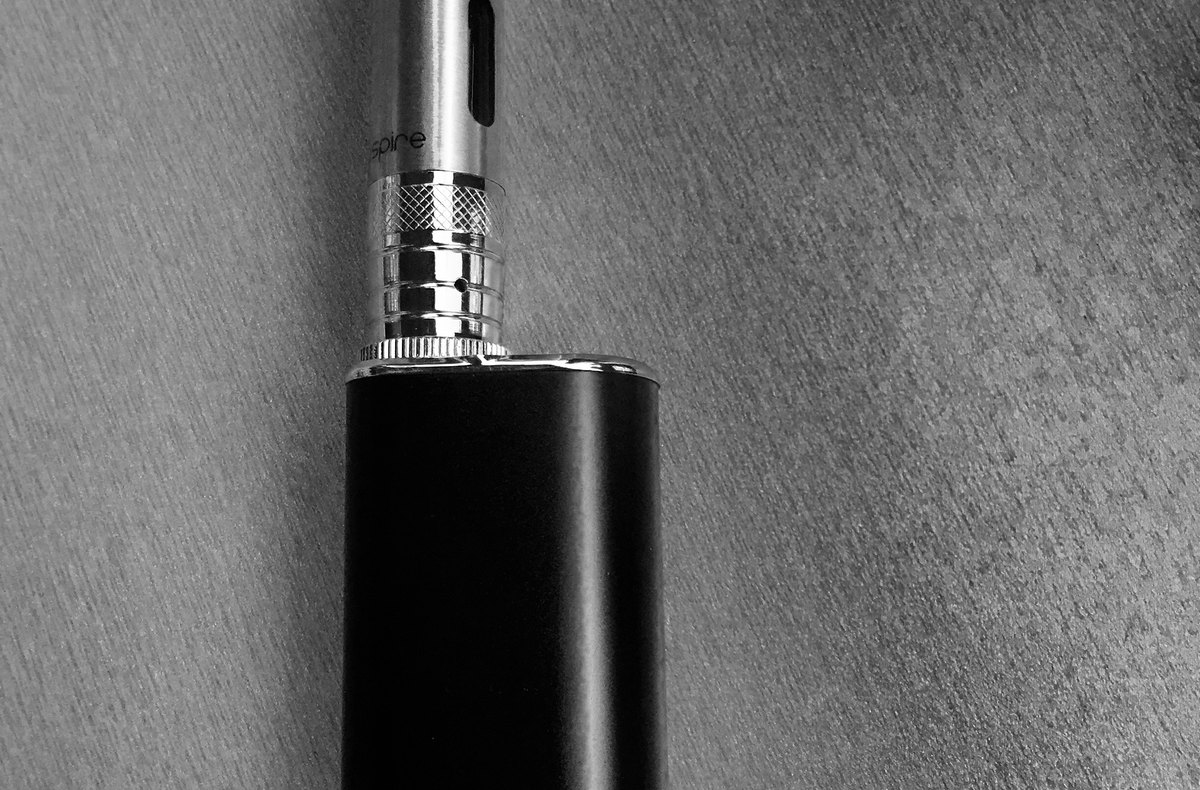

A flooded coil contains too much liquid in its center airflow path. The usual signs are gurgling, weak vapor, droplets in the mouthpiece, or hot spitback. It is different from a leak, although a badly flooded coil can eventually send liquid through the airflow holes.
Stop and inspect
Remove the pod or tank according to its manual and turn the device off. Wipe the mouthpiece, pod base, and device contacts with a dry tissue. Look for a torn fill plug, cracked plastic, loose coil, or damaged seal.
If the device is damaged, unusually hot, or liquid has entered a place you cannot safely clean, stop using it.
Clear only the excess liquid
Different devices use different clearing methods. Some manufacturers recommend removing the pod and gently clearing the center chimney into a tissue. Others instruct users to disassemble and dry the base. Follow the manual for your model.
Do not fire the device repeatedly while a large amount of liquid is pooled inside. That can send hot droplets upward.
Find out why it flooded
Common causes include:
- Overfilling or placing liquid into the center airflow tube
- Excess liquid added while priming
- Pulling too hard on a small pod
- A loose or incorrectly seated coil
- Thin liquid in a coil designed for thicker blends
- Low wattage that cannot vaporize the incoming liquid efficiently
- Worn wick material or seals
Change one cause at a time. Refill only to the marked limit and close the port fully.
Condensation can look similar
A light film beneath a pod is often condensation. A flooded coil usually announces itself through sound and the mouthpiece. Clean both, use the device normally, and check whether liquid returns quickly.
When to replace the coil
Replace it if flooding returns after correct filling, assembly, power, and draw technique. An old wick may no longer regulate liquid consistently. A fixed-coil pod must be replaced as a complete cartridge.
If the problem is liquid escaping around the pod rather than gurgling in the chimney, use the pod leaking checklist.