
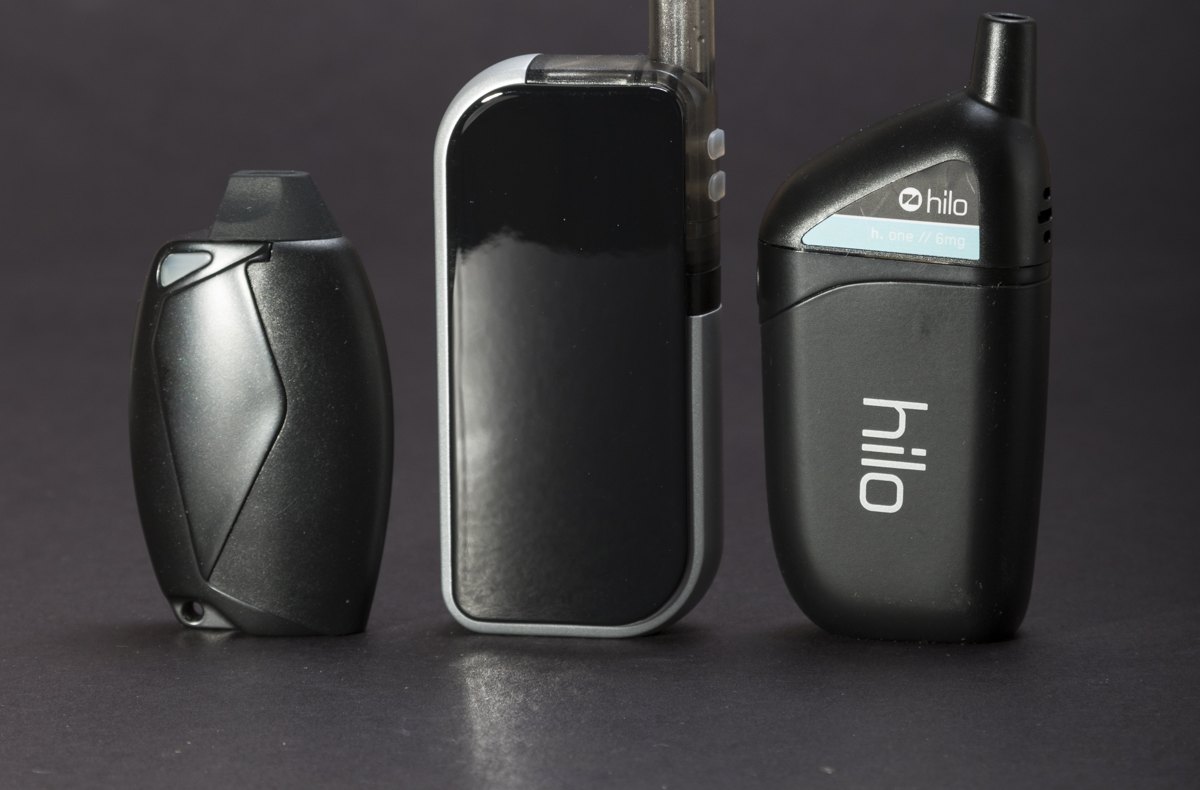

Charge a vape with the cable and power source specified by its manufacturer, on a hard surface where you can observe it. Do not charge it overnight, in bed, in extreme temperatures, or after the battery or port has been damaged.
Treat charging as supervised maintenance, not a background task you forget about.
Read the input specification
USB-C describes the connector shape, not the power the device expects. Check the manual for voltage, current, and compatible charging equipment. A cable that fits is not automatic proof that every charger is appropriate.
Inspect before connecting
Look for liquid, lint, bent metal, looseness, or corrosion in the port. Make sure the cable is undamaged. Clean only with the device off and disconnected, following the manual.
Never charge a device that was soaked, crushed, punctured, or left with internal liquid exposure.
Choose the charging surface
Use a clean, hard, noncombustible surface away from direct sunlight and flammable material. Stay nearby. Avoid beds, sofas, pillows, and pockets, where heat can build and warning signs are easy to miss.
Watch for battery warning signs
Disconnect and stop using the device if you notice swelling, leaking, odor, discoloration, unusual noise, or excessive heat. Do not open a sealed battery housing or attempt to repair a lithium-ion cell.
Handle removable cells correctly
Use only the exact cell type and charger approved for the device. Never carry loose cells with keys, coins, or other metal. Protect them in a proper case and retire any cell with a torn wrap, dent, or other damage.
Do not charge on an aircraft
The FAA prohibits recharging vaping devices or their batteries aboard an aircraft. Keep devices and spare batteries in the cabin, protected from accidental activation and short circuit.
If runtime rather than charging is the problem, use the fast-draining battery checklist.