
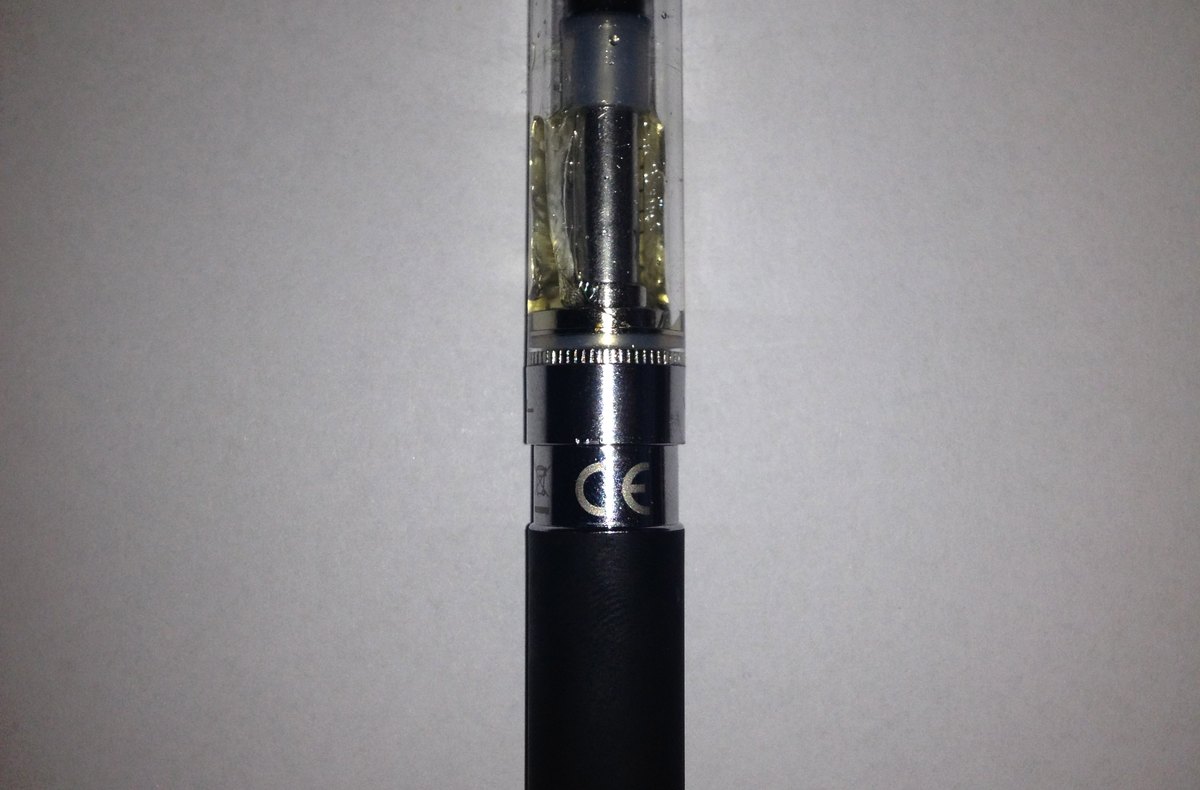

A battery that lasts less time than it used to is not automatically defective. Higher wattage, a lower-resistance coil, longer puffs, and more frequent use all consume more energy. The useful question is what changed.
Compare the setup
Did you install a lower-resistance coil or increase wattage? A warmer, larger puff requires more power. Return to the coil's lower recommended setting and compare a full charge under normal use.
Airflow and liquid can affect puff length too. If you now take longer pulls to get the same result, the coil may be worn rather than the battery.
Check the charging routine
Use the charging cable and power source specified by the manufacturer. A damaged cable or dirty port can interrupt charging before the battery is full. Clean only with the device disconnected and follow its manual.
Do not leave a vape charging overnight or on a bed, sofa, or other combustible surface. Stop if it becomes excessively hot.
Account for temperature
Extreme heat is dangerous for lithium-ion batteries, while cold conditions can temporarily reduce available performance. Keep the device out of hot cars and direct sunlight. Allow a cold device to return to normal room temperature before charging.
Look for background activation
A stuck button or accidental firing in a pocket drains power and creates a heat hazard. Lock or switch off the device before carrying it. If it activates by itself, stop using it.
Batteries age
Rechargeable cells gradually lose capacity. If runtime has fallen sharply after substantial use and the device is otherwise normal, replacement may be due. Replace built-in-battery devices rather than opening their housings.
For removable cells, use only the exact type approved for the device and never carry a loose cell with keys or coins. A torn wrap, dent, leak, odor, swelling, or unusual heat means the battery must be taken out of service and recycled properly.
See what battery mAh means before comparing replacements.